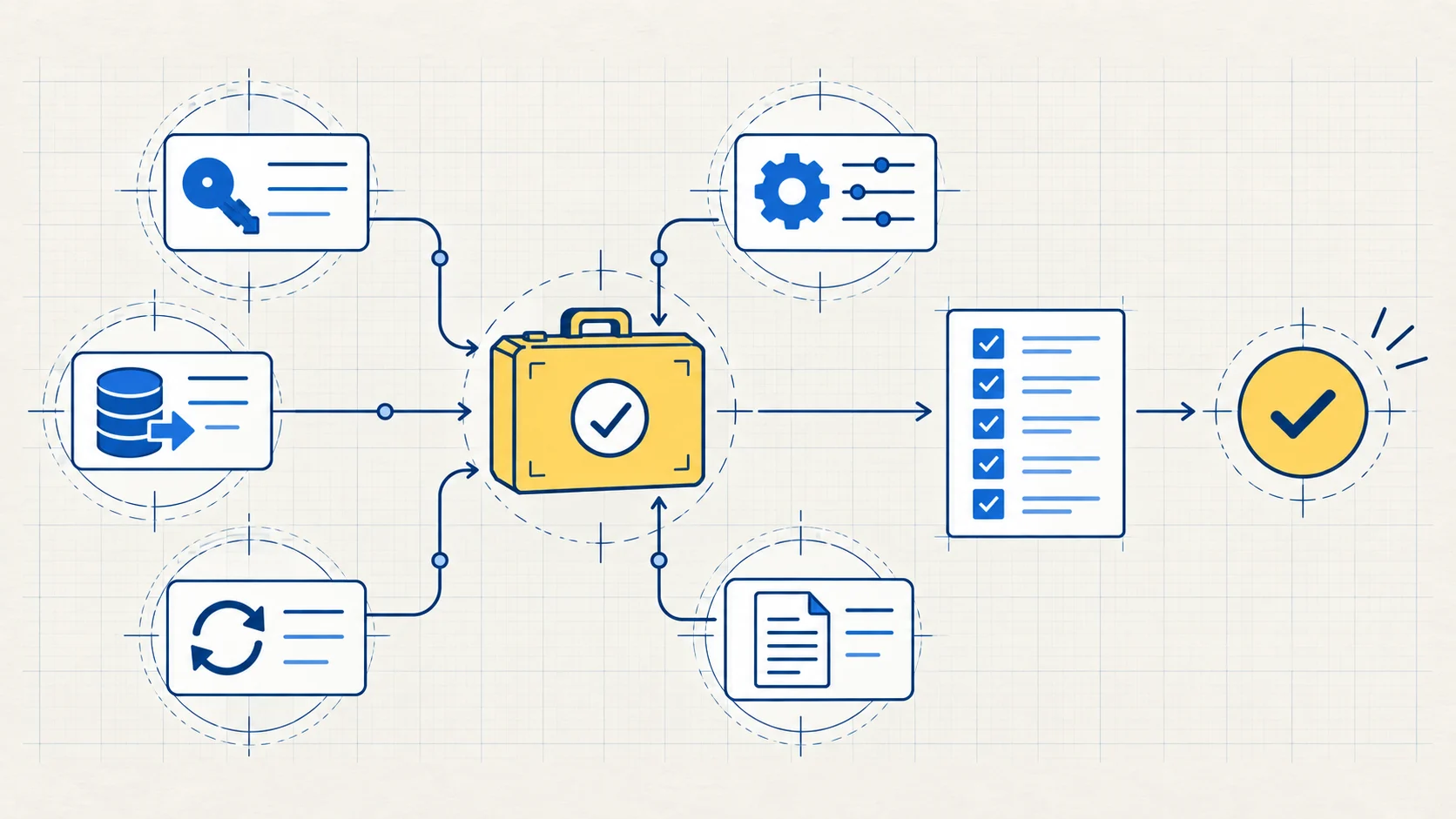
A system handover is not complete merely because the work is live or you can see a dashboard. Before accepting it, you or a second operator should be able to demonstrate five things: access the system, export its important data, change a routine item, recover from a predictable problem and follow the operating instructions.
This does not mean you must run every task yourself. The more useful standard is informed control: you can understand what was built, make sensible decisions about it and transfer its operation if a supplier or staff member changes. For this article, ownership means the practical transfer of accounts, data, tracking, creative assets, system access and instructions—not personal ownership of every third-party tool or licence.
That distinction changes the handover question. Instead of asking, “Has the supplier explained the system?”, ask, “Can someone other than the builder operate and alter it without relying on hidden knowledge?”
Visibility is not the same as transfer
A dashboard gives you visibility. Transfer means the business can continue using the system when the person who built it is unavailable.
You can have login access and still lack control. For example, you might be able to view an advertising account but not know which payment method, tracking connection, audience, form or notification depends on it. You might see leads in a CRM but be unable to export them or identify who owns the next action.
Useful documentation should survive a supplier or staff change. One practical way to assess that is a short acceptance rehearsal with a second operator, rather than relying only on another presentation from the builder.
The five-part handover rehearsal
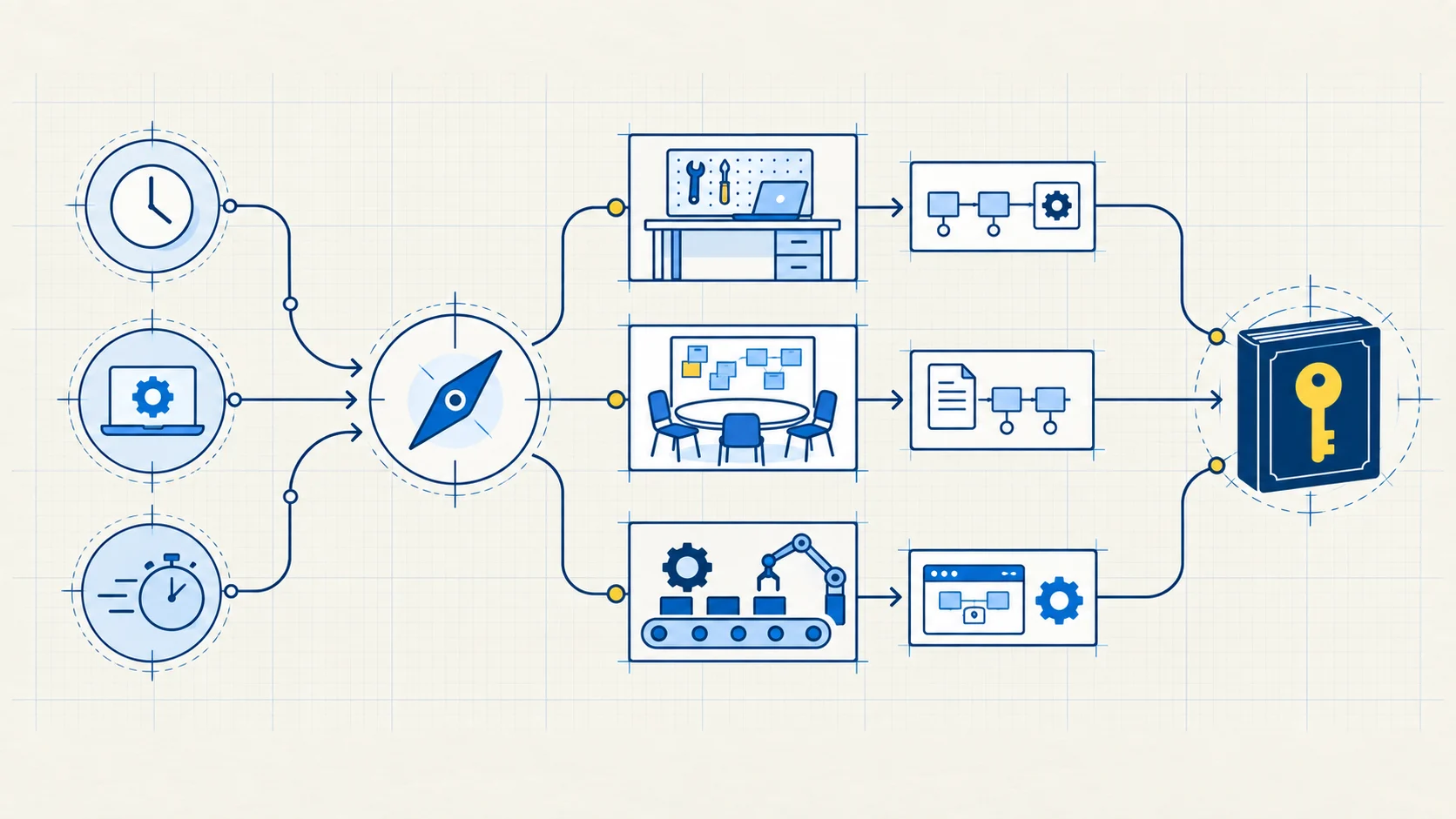
Choose one ordinary workflow and ask someone who did not build it to complete the checks below. For a lead system, that workflow might run from an advertisement or page visit through a form, notification, response and booking. Mapping defined stages helps reveal where a handoff can stop or depend on memory.
| Check | Ask the second operator to demonstrate | Warning signs |
|---|---|---|
| Access | Open each necessary account using their own authorised access and identify the account owner, administrator and payment owner. | Shared personal logins, missing administrator access or an account controlled solely by an outside supplier. |
| Export | Export a useful copy of lead data, campaign records, creative files or another important operating record. | Export rights are missing, the file is incomplete or nobody knows what must be retained. |
| Change | Make one low-risk routine change, such as updating notification recipients, replacing approved copy or pausing a workflow in a safe test environment. | The change depends on undocumented steps or only the original builder knows what else it affects. |
| Recovery | Diagnose a predictable failure, such as a test enquiry that does not reach the assigned inbox, then identify how to pause, reverse or escalate it. | There is no test method, rollback path or named decision-maker. |
| Instructions | Use the documentation to run the workflow and explain its main dependencies. | The document lists tools but not the sequence, decisions, owners or failure points. |
These are proposed acceptance checks, not claims about contractual rights or universal deliverables. The appropriate test depends on the system and the agreed scope.
Test the handoffs, not just the components
A landing page can work, a form can submit and a CRM can open while the complete lead path still fails. The handover rehearsal should therefore follow one test record from beginning to end.
Use a clearly labelled test enquiry and record:
- Where it enters.
- What data is captured.
- Which automation or manual step moves it.
- Who receives the notification.
- Who owns the response.
- How the status changes.
- What happens if the normal step fails.
The point is not to prove that the system will increase revenue. A process demonstration can show how a system works, but it cannot establish a revenue outcome. It can, however, expose a missing owner, inaccessible account or undocumented dependency before the builder leaves.
Use a second operator for the acceptance decision
The builder should not be the only person testing whether the documentation stands on its own: familiarity can cause them to fill in steps that the instructions do not state.
Ask a staff member or another appropriate operator to perform the rehearsal using only the supplied access and instructions. The builder may observe, but should not silently complete the task. When the operator gets stuck, record the exact gap:
- missing permission;
- missing file or export;
- unclear instruction;
- unknown owner;
- hidden dependency;
- no recovery step; or
- a decision that still requires business judgement.
Then classify each gap before accepting the handover:
- Must fix: the system cannot be accessed, operated or recovered as intended.
- Must clarify: the system works, but ownership or instructions are ambiguous.
- Accept and schedule: the item is a useful improvement but is outside the agreed handover scope.
This keeps acceptance focused. It also separates a real transfer problem from a request for extra functionality.
What complete handover should mean
You need enough control to know what exists, who can change it, where the operating data goes and how another capable person can take over.
One sensible acceptance standard is that a second operator can use the documentation to access, export, change and recover the agreed workflow, with clear escalation where specialist help is still required. Account control does not mean that you own the third-party software or its licence.
If that demonstration fails, it has revealed a transfer gap. Fix or document the gap before treating the build as complete.
I have spent thousands of hours studying marketing, and my aim is to turn that learning into practical steps you can use. You can learn to build and operate your own lead system, or explore help building a system you control. If that approach fits what your business needs, start a fit conversation.